

Located in the town of Trimbak, about 30 kilometers from Nashik in Maharashtra, the Trimbakeshwar Jyotirlinga Temple is one of the twelve sacred Jyotirlingas dedicated to Lord Shiva. Unlike many temples that are visited purely for tourism, Trimbakeshwar holds deep religious, historical, and cultural importance. For devotees, it is a powerful spiritual center. For travelers, it is a place where architecture, mythology, and nature intersect.
If you are planning a visit, it is important to understand that this is not just a sightseeing spot. It is an active pilgrimage site with rituals, traditions, and expectations of discipline.
Historical Background
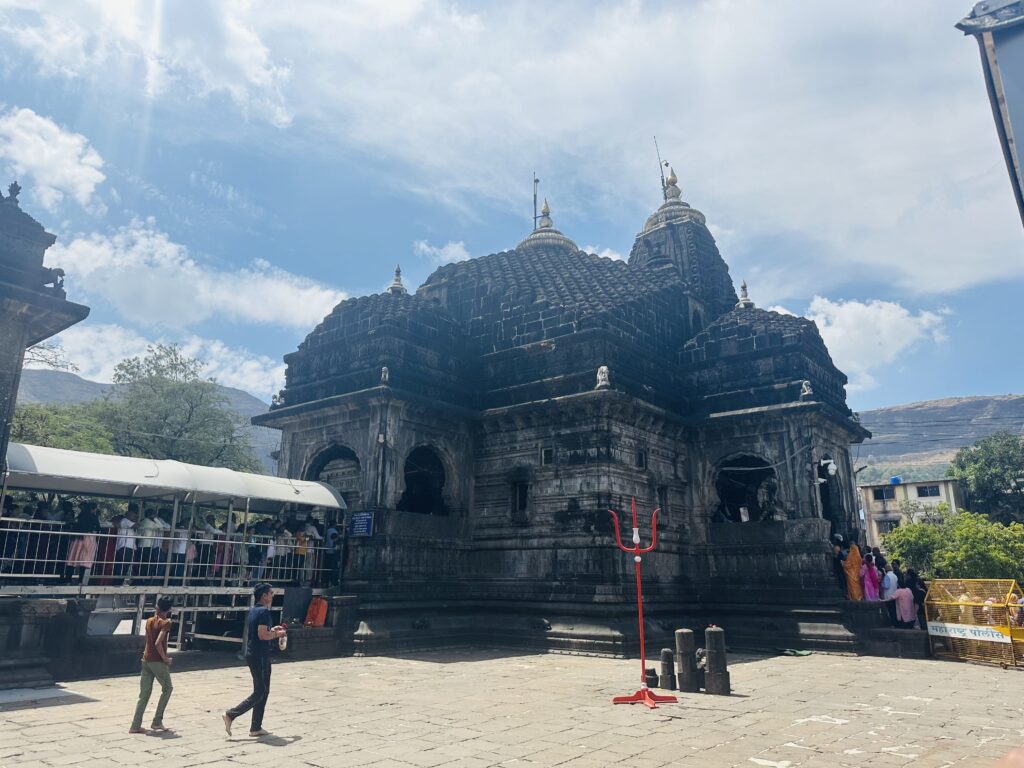
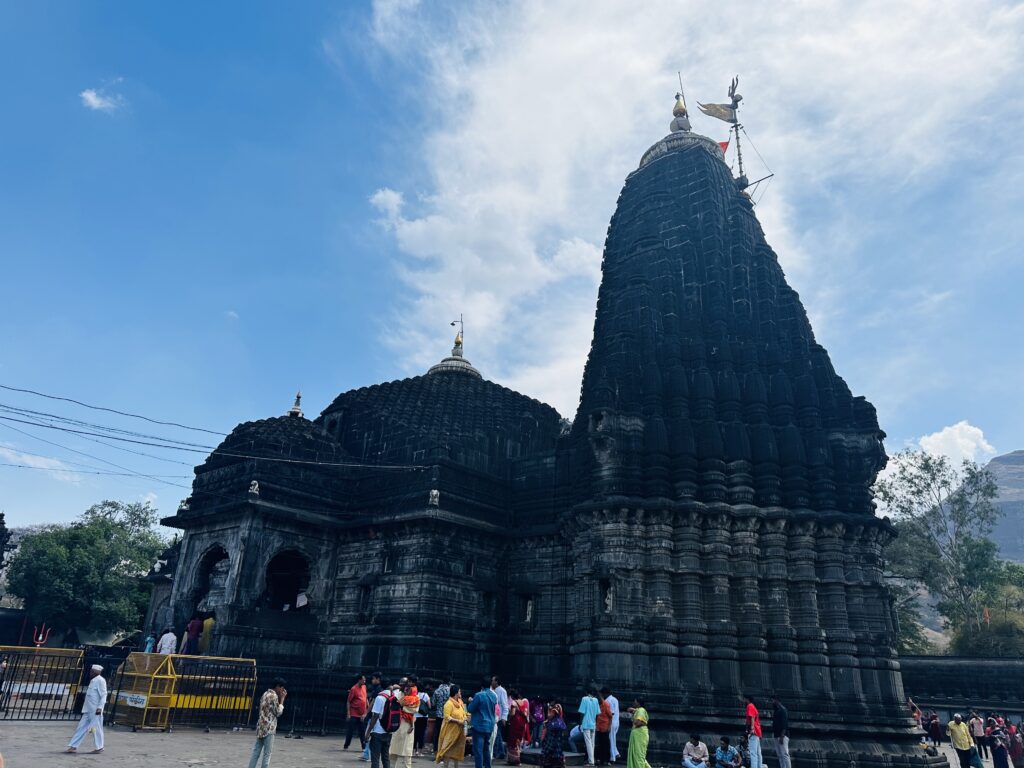
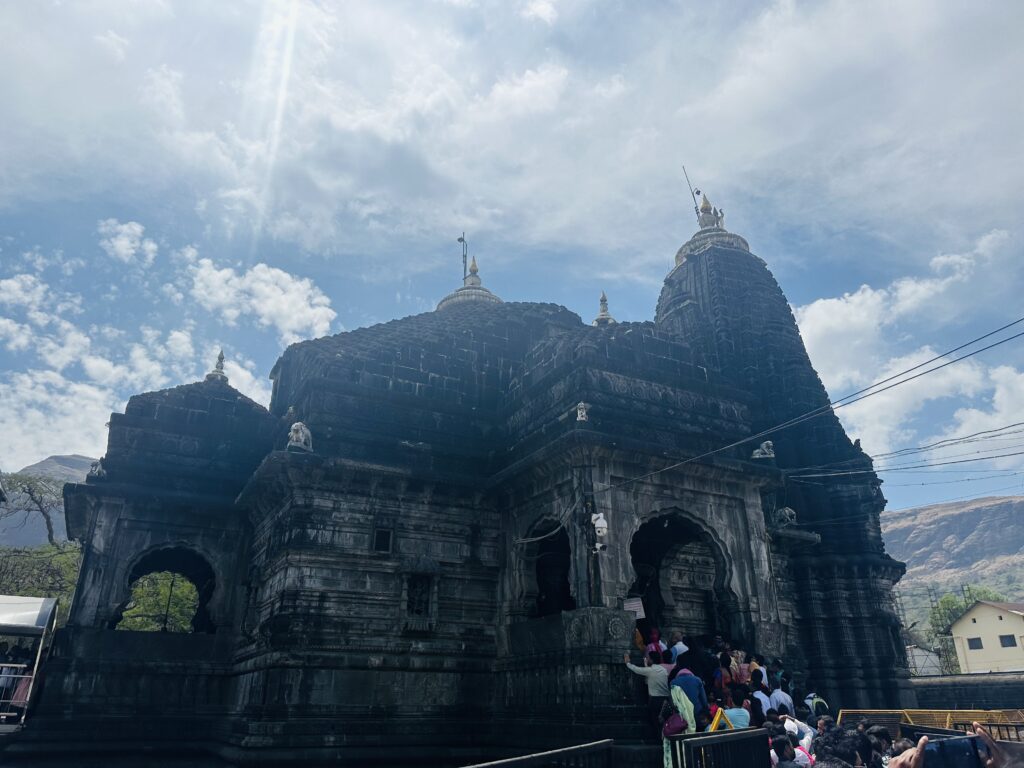
The present structure of the temple was rebuilt in the 18th century by Nana Saheb Peshwa, one of the prominent leaders of the Maratha Empire. Constructed using black basalt stone, the temple reflects the classic Hemadpanthi architectural style, known for its solid structure and intricate carvings.
The temple’s architecture is striking but not flamboyant. The dark stone gives it a serious, almost austere appearance. Detailed carvings, sculpted pillars, and symmetrical design showcase the craftsmanship of that era. Unlike modern temples that rely on bright colors and decorative lighting, Trimbakeshwar stands out because of its raw stone beauty and historical authenticity.
Religious Significance
The name “Trimbakeshwar” comes from “Tri” (three) and “Ambak” (eyes), symbolizing Lord Shiva’s three eyes. What makes this Jyotirlinga unique is that the sacred lingam here represents three deities — Brahma, Vishnu, and Mahesh (Shiva). This symbolic union makes the temple spiritually distinct among the twelve Jyotirlingas.
Another major reason for its importance is its connection to the origin of the Godavari River, often referred to as the “Ganga of the South.” The river is believed to originate from the nearby Brahmagiri Hills, making the region sacred not only for Shaivites but also for pilgrims who revere holy rivers.
The temple also plays a significant role during the Kumbh Mela held in Nashik, drawing millions of devotees.
The Darshan Experience
4
Your experience at Trimbakeshwar will depend heavily on timing. On regular weekdays, the darshan process is relatively smooth. However, during the month of Shravan and on Mahashivratri, expect long queues that can extend for hours.
Important points to know:
- Early morning (5:00–7:00 AM) is the best time for a peaceful visit.
- Photography is not allowed inside the sanctum.
- Traditional attire is recommended, as this is a deeply religious site.
- Official counters should be used for any special rituals or pujas.
One reality visitors should understand: the Jyotirlinga is usually covered with a silver mask (mukha) and rituals are continuously performed. If you expect a clear, uninterrupted visual like in tourist photos, you may be disappointed. The focus here is devotion, not presentation.
Brahmagiri Hills – Beyond the Temple
4
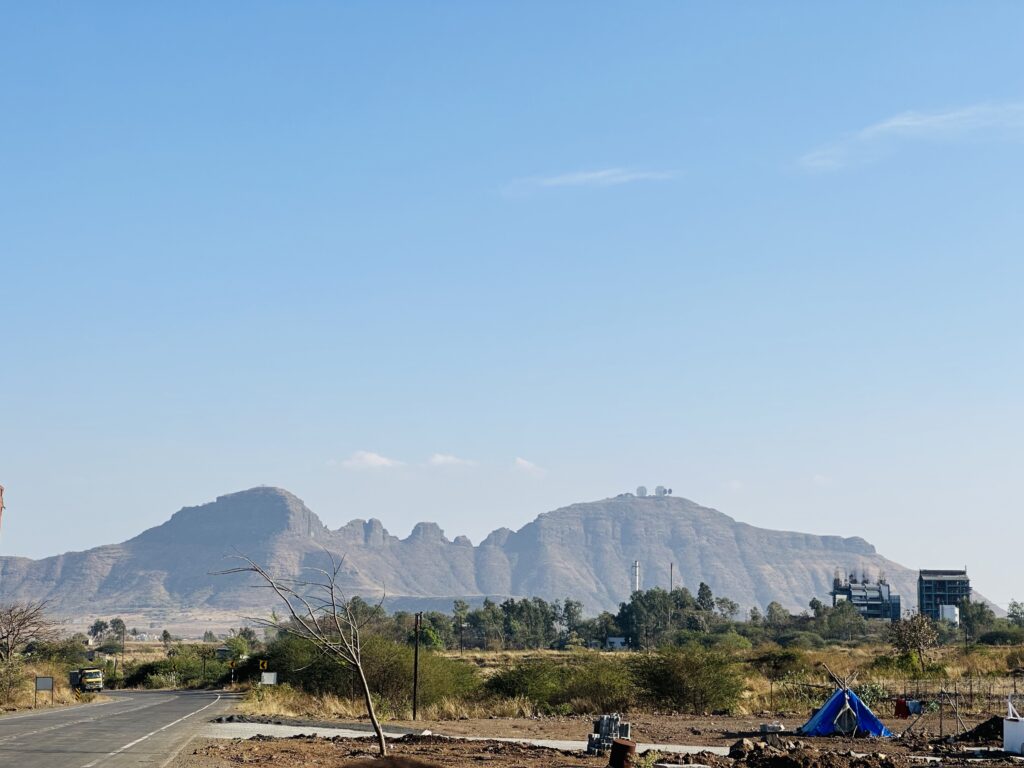
A visit to Trimbakeshwar is incomplete without exploring the Brahmagiri Hills. This is where the Godavari River is believed to originate.
The climb involves more than 700 steps. It is physically demanding, especially in hot weather. However, the panoramic views from the top and the spiritual atmosphere make the effort worthwhile. This is not a casual stroll; it requires stamina and preparation.
If you are visiting during the monsoon, the greenery is stunning, but the steps can become slippery. Proper footwear is essential.
Best Time to Visit
- October to February (Winter): Ideal weather, manageable crowds.
- Monsoon (July–September): Lush green surroundings, but slippery terrain.
- Shravan Month & Mahashivratri: Spiritually vibrant but extremely crowded.
If your goal is peaceful exploration, avoid peak religious dates. If your goal is to experience high devotional energy, visit during major festivals — but be prepared for waiting.
How to Reach
The nearest major city is Nashik.
- 30 km from Nashik
- Approximately 170 km from Mumbai
- Around 240 km from Pune
The roads are generally in good condition. Self-driving or hiring a cab is the most convenient option. Public buses are available but may not be frequent.
Practical Tips
- Carry some cash; not all vendors accept digital payments.
- Avoid middlemen for special darshan or rituals.
- Wear comfortable, modest clothing.
- Stay hydrated, especially if planning the Brahmagiri climb.
- Start early to avoid heavy queues.
Final Thoughts
Trimbakeshwar Jyotirlinga Temple is not designed to entertain; it is meant to ground you. It does not offer flashy experiences or curated tourist comfort. Instead, it offers history, ritual, and a deep connection to India’s spiritual heritage.
If you approach it with patience and respect, the experience can be meaningful. If you treat it like a quick tourist stop, you will miss its essence.
Whether you visit for faith, architecture, or cultural exploration, Trimbakeshwar stands as one of Maharashtra’s most significant spiritual landmarks — rooted in tradition and still very much alive in devotion.