

The Sacred Forest Sites of Subir, Dang District
4
Introduction
Hidden in the dense green forests of Dang district in southern Gujarat lies a spiritual landscape that blends mythology, tribal heritage, and natural beauty. Subir taluka, a quiet region not far from Ahwa, is home to two deeply revered religious sites — Pampa Sarovar and Shabari Dham.
Unlike grand pilgrimage cities filled with commercial buzz, these places carry a raw, forest-bound spiritual atmosphere. Their significance is rooted in the epic Ramayana and the timeless story of devotion between Lord Ram and Mata Shabari.
If you are looking for a peaceful, mythologically connected destination away from crowded religious hubs, this region deserves serious attention.
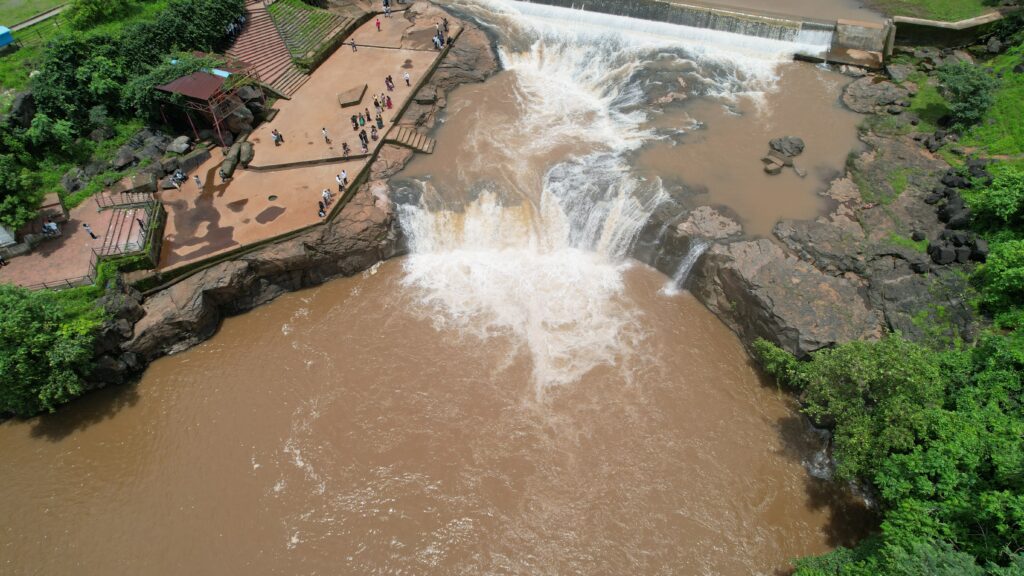
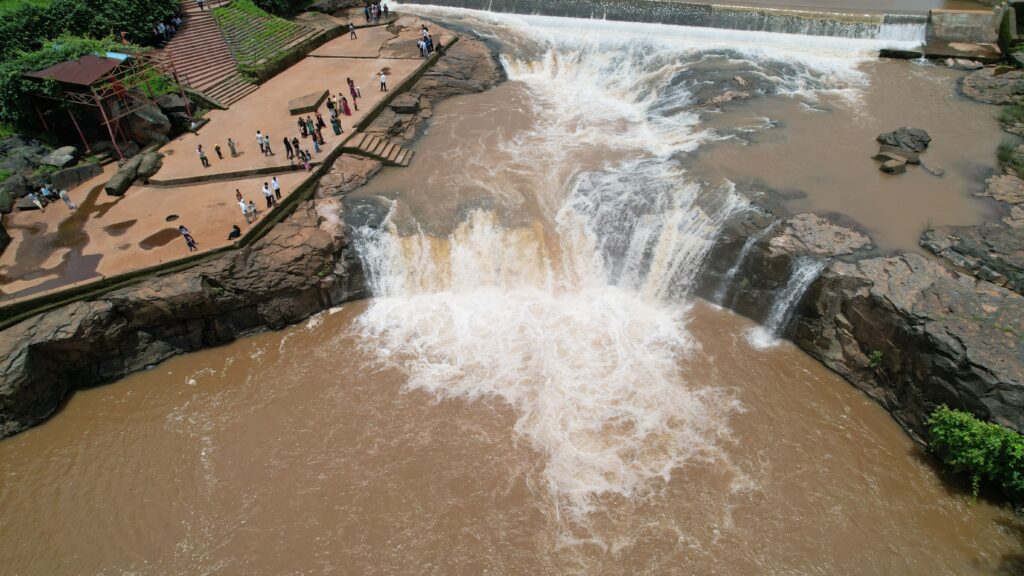
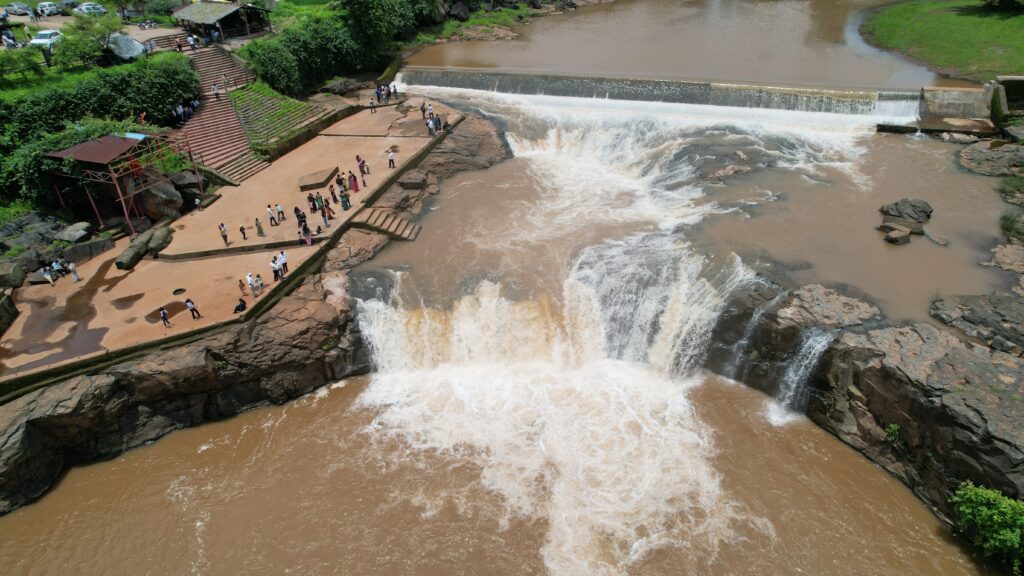
Pampa Sarovar – The Lake of Devotion
Mythological Significance
According to Hindu tradition, Pampa Sarovar in Dang is believed to be the sacred lake associated with the Ramayana period. It is linked to the episode where Lord Ram and Lakshman, during their exile (vanvas), reached this forest region while searching for Sita.
This is the land where Mata Shabari, a tribal devotee of Lord Ram, is said to have waited for years to meet him. When Lord Ram finally arrived, she offered him berries (ber) after tasting them first to ensure they were sweet. Despite social norms, Ram accepted her offering, symbolizing that devotion is greater than status or caste.
It is important to understand that multiple locations across India claim association with the Pampa Sarovar mentioned in the Ramayana, including one in Karnataka. The connection here in Dang is based on strong regional belief and oral tradition rather than archaeological certainty. For devotees, faith matters more than historical debate.
The Present-Day Setting
Today, Pampa Sarovar in Subir is a calm water body surrounded by forested hills. The environment feels untouched compared to urban temples.
Visitors will find:
- A peaceful lake reflecting the surrounding greenery
- Small temple structures nearby
- Pilgrims performing rituals and prayers
- Quiet walking paths around the water
The atmosphere is serene rather than dramatic. There are no massive commercial markets or loud tourist crowds. Instead, you experience stillness — something rare in modern pilgrimage sites.
Spiritual Experience
The power of this place lies in simplicity. Sitting beside the lake early in the morning, hearing birds and wind instead of traffic, creates a deeply reflective mood.
For devotees, it represents:
- Pure devotion (bhakti)
- Equality before God
- The spiritual bond between tribal culture and Hindu tradition
For travelers, it represents slow, mindful exploration.
Shabari Dham – A Temple of Devotion and Tribal Identity
Historical and Religious Background
Located close to Pampa Sarovar, Shabari Dham is a temple complex dedicated to Mata Shabari and Lord Ram. The site holds deep importance not only religiously but culturally, especially for the tribal communities of Dang.
Mata Shabari is considered a symbol of:
- Patience
- Faith
- Humility
- Unconditional devotion
Her story bridges tribal traditions with mainstream Hindu narratives, giving the region strong spiritual identity.
Temple Architecture and Complex
Shabari Dham is more structured and developed compared to Pampa Sarovar.
Visitors will see:
- A grand entrance gate
- Statues of Lord Ram and Mata Shabari
- A large temple courtyard
- Prayer halls and gathering spaces
The temple complex was developed with government support to promote religious tourism in the Dang region. It has become an important destination during Ram Navami and other religious occasions.
Political and Social Importance
Shabari Dham is not just a religious site; it carries social and political relevance. It highlights the integration of tribal heritage into the broader Hindu religious framework.
In 2006, a major religious gathering held here brought national attention to the site. Since then, it has been recognized as one of Gujarat’s important forest pilgrimage centers.
For the tribal population of Dang district, Shabari Dham represents recognition — acknowledgment that their ancestral stories are part of the national spiritual narrative.
The Dang Forest Context
Dang district is one of Gujarat’s most forested and least urbanized regions. The natural surroundings play a critical role in shaping the spiritual experience.
Expect:
- Dense green hills
- Misty mornings during monsoon and winter
- Tribal villages nearby
- Clean, fresh air
The remoteness adds authenticity. You are not stepping into a commercial religious industry — you are entering a forest landscape where mythology lives through belief.
Best Time to Visit
- October to February: Pleasant weather
- Ram Navami: Major religious gathering
- Monsoon (June–September): Extremely scenic but roads may be slippery
Summer can be hot, though forest shade helps.
Travel and Accessibility
- Nearest major town: Ahwa
- Road connectivity: Accessible by road from Surat, Valsad, and Nashik
- Accommodation: Limited; basic hotels and guesthouses available
This is not luxury tourism. Plan accordingly.
Why These Places Matter Today
In an era where pilgrimage often becomes commercial spectacle, Pampa Sarovar and Shabari Dham stand apart. They remind visitors that spirituality can exist without massive infrastructure.
They preserve:
- Tribal devotion traditions
- Ramayana-linked folklore
- Forest-based spiritual culture
Whether you approach them as a believer, a cultural explorer, or a photographer, the experience remains grounded and authentic.
Conclusion
Pampa Sarovar and Shabari Dham in Subir, Dang district, offer a rare combination of mythology, tribal identity, and untouched natural beauty. Rooted in the story of Lord Ram and Mata Shabari, these sites are powerful not because of grand architecture, but because of belief carried across generations.
They are not loud.
They are not heavily commercial.
They are not over-promoted.
And that is exactly why they are worth visiting.